
back to top
Sponsered
Home Blog

Constitution Day 26 November: PM Modi Reminds Nation of Its Shared Responsibilities

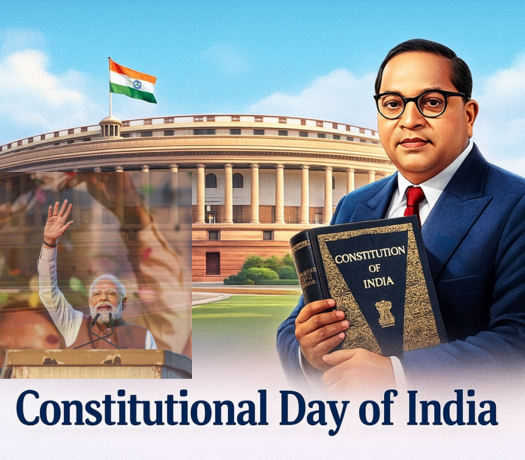
Constitution Day of India
Image Generated by AI - Constitution Day of India

Every year on 26 November, India celebrates Constitution Day (Samvidhan Diwas) to mark the adoption of the Constitution in 1949. While the day is often associated with fundamental rights and the greatness of our democratic framework, Prime Minister Narendra Modi consistently uses this occasion to highlight something equally crucial: citizens’ duties.

In his recent Constitution Day messages and letters to the nation, PM Modi:

  • Pays tribute to Dr B.R. Ambedkar and the framers of the Constitution.
  • Describes the Constitution as a “sacred guiding document”.
  • Calls on citizens to put duties at the centre of everyday life as India moves towards the vision of a “Viksit Bharat” (Developed India).

According to him, India’s democracy will truly flourish only when rights and duties are seen as two sides of the same coin.

Why PM Modi Says Fundamental Duties Are the Foundation of a Strong Democracy

The Fundamental Duties of citizens are listed in Article 51A of the Constitution of India. They were introduced by the 42nd Amendment (1976) and later expanded by the 86th Amendment (2002). While not usually enforceable in the same way as Fundamental Rights, they serve as moral, civic, and constitutional obligations for every citizen.

Read More: PM Modi’s G20 Conversations

PM Modi repeatedly emphasizes that Fundamental Duties are the “foundation of a strong democracy” because they shape how citizens behave towards:

  • The Constitution and national symbols
  • Democratic institutions and rule of law
  • Other citizens, especially women and vulnerable sections
  • The environment and public property

Key Fundamental Duties at a Glance (Article 51A)

According to the Constitution, every citizen has a duty to:

  • Abide by the Constitution and respect its ideals, the National Flag, and the National Anthem.
  • Cherish and follow the noble ideals that inspired the national freedom struggle.
  • Uphold and protect the sovereignty, unity and integrity of India.
  • Defend the country and render national service when called upon.
  • Promote harmony and the spirit of common brotherhood, and renounce practices derogatory to the dignity of women.
  • Value and preserve the rich heritage of India’s composite culture.
  • Protect and improve the natural environment and have compassion for living creatures.
  • Develop scientific temper, humanism and the spirit of inquiry and reform.
  • Safeguard public property and abjure violence.
  • Strive towards excellence in all spheres so that the nation constantly rises to higher levels of achievement.
  • As a parent or guardian, provide opportunities for education to children between 6 and 14 years of age.

PM Modi links these duties to practical behaviour – how we speak, vote, protest, work, consume resources, and interact with one another. In his view, when citizens embody these duties, democracy becomes more resilient, just, and effective.

From Rights to Duties: Key Takeaways from PM Modi’s Constitution Day Message

PM Modi’s Constitution Day addresses can be understood as a shift in emphasis: from celebrating rights alone to balancing rights with duties. Here are the main takeaways you can use in an article, speech, or social media series.

1. Constitution Day as “Duty Day”

PM Modi urges that Samvidhan Diwas should not remain a purely ceremonial observance. Instead, it should become a day when:

  • Citizens revisit the Preamble and remind themselves of the values of justice, liberty, equality and fraternity.
  • Schools and colleges host “Know Your Constitution” activities such as quizzes, debates, and readings.
  • People reflect on how well they are fulfilling their duties in day-to-day life.

In simple terms, Constitution Day = Annual self-audit of our duties.

2. Voting as a Central Democratic Duty

While voting is a right, PM Modi frames it primarily as a duty to the nation and democracy.

He repeatedly:

  • Appeals to citizens to turn out in large numbers during elections.
  • Encourages institutions to honour first-time voters who turn 18, especially around Constitution Day.
  • Portrays each vote as a contribution to nation-building, not just a personal choice.

This reinforces the idea that democracy is not a spectator sport; it demands active participation.

3. Youth as Champions of Duties

PM Modi places a strong moral responsibility on India’s youth:

  • To lead campaigns on cleanliness, environmental protection, anti-drug drives, and digital literacy.
  • To use social media responsibly, avoiding fake news and hate speech.
  • To treat women and all communities with dignity and equality.

By turning young people into “duty ambassadors”, he wants Constitutional values to become part of the social culture, not just civics textbooks.

4. Duties Translated into Everyday Behaviour

One of the most practical aspects of PM Modi’s messaging is how he converts abstract duties into simple, daily acts:

  • Respect & harmony
    • No communal hate, caste hatred, or gender-based insults.
    • Respect for women at home, at work, and in public spaces.
  • Cleanliness & environment
    • Not littering, conserving water and electricity, planting trees.
    • Supporting campaigns like Swachh Bharat as a citizen’s duty, not just a government program.
  • Public property & lawfulness
    • No vandalism of buses, trains, schools, or government buildings—even during protests.
    • Following rules, paying taxes honestly, obeying traffic norms.

These habits make Constitutional Duties visible in everyday life.

5. A Shared Pledge for “Viksit Bharat”

Another recurring theme in Modi’s Constitution Day messaging is a national pledge:

  • To fulfil Fundamental Duties consciously.
  • To protect and strengthen democratic institutions.
  • To work collectively towards a Developed India by 2047, when the nation completes 100 years of independence.

In this narrative, duties are the roadmap to Viksit Bharat.

How Fulfilling Constitutional Duties Can Strengthen India’s Democracy, According to PM Modi

PM Modi’s focus on duties is not just moral preaching; it is presented as a practical strategy to deepen and stabilise Indian democracy. Here’s how.

1. Stronger Institutions Through Responsible Citizenship

Duties like respecting the Constitution and institutions and protecting the unity and integrity of India help:

  • Build trust in Parliament, the judiciary, the Election Commission and other constitutional bodies.
  • Reduce space for mob behaviour, constitutional disrespect, and extra-legal pressure.
  • Create a shared understanding that protecting democracy is everybody’s job, not only that of politicians or judges.

When citizens defend institutions rather than weaken them, democracy becomes more durable.

2. Deeper Public Participation in Governance

By presenting duties such as voting, civic participation, and community engagement as essential, PM Modi envisions a democracy where citizens are:

  • Co-creators of policy, not just beneficiaries.
  • Regular participants in local problem-solving – from municipal issues to social initiatives.
  • More informed, because duty includes the responsibility to stay aware and think critically.

This leads to participatory democracy, where people feel a real sense of ownership in governance.

3. Greater Social Harmony and Reduced Conflict

Several Fundamental Duties directly target social peace and dignity:

  • Promoting harmony and common brotherhood.
  • Renouncing practices derogatory to the dignity of women.
  • Abjuring violence and safeguarding public property.

When citizens live by these values:

  • Communal tensions and gender-based violence decline.
  • Public spaces and assets remain safe and functional.
  • Society becomes more inclusive and cohesive, giving democracy a stable base.

In Modi’s framing, a harmonious society is the soil in which democratic values can grow.

4. Long-Term Sustainability and Inter-Generational Justice

Duties like protecting the environment and striving for excellence are directly linked to India’s future stability and prosperity:

  • Environmental protection prevents resource conflicts, health crises and displacement.
  • Excellence in education, science, technology, and governance makes India globally competitive.
  • Providing education to all children (6–14 years) builds an informed citizenry capable of defending and improving democracy.

Here, duties act as long-term safeguards, ensuring that the next generations inherit a healthier, fairer, and stronger India.

Resources & References

Use these trusted sources this article is AI-generated based on publicly available reporting from TOI, The Economic Times, and DD News at the end of your article:

  1. Official Text of the Constitution of India (including Article 51A – Fundamental Duties)
    • Source: Government of India – official consolidated PDF of the Constitution (Part IVA – Fundamental Duties).
  2. Article 51A – Fundamental Duties (Standalone Text)
    • Source: “Article 51A in The Constitution of India 1949” – PDF containing the exact wording of all Fundamental Duties.
  3. Prime Minister’s Letter to Citizens on Constitution Day (Samvidhan Diwas)
    • Source: Press Information Bureau (PIB) press release “Prime Minister writes a letter to Citizens on Constitution Day” – highlights duties as the foundation of a strong democracy and calls for a pledge to fulfil them.
  4. Detailed News Coverage of PM Modi’s Constitution Day Duties Message
    • Source 1: NDTV – report on PM Modi’s letter stressing that Constitutional duties are the foundations of a strong democracy and urging citizens to vote and honour first-time voters.
    • Source 2: Deccan Herald – “Constitutional duties foundation for strong democracy: PM Modi on Constitution Day,” summarising key points from the letter.
    • Source 3: The Statesman – coverage of the 2025 Constitution Day letter urging citizens to prioritise duties and support a “developed and empowered India”.
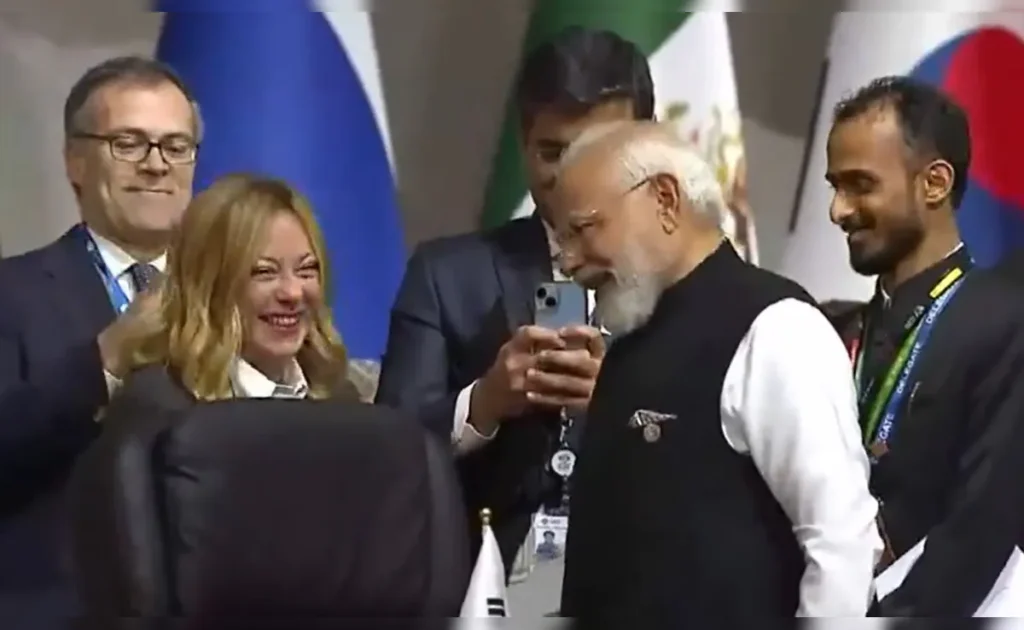
PM Modi’s G20 Conversations Include a Light Moment with Meloni

PM Modi G20 Conversations with Meloni
Sourced by Economics Times

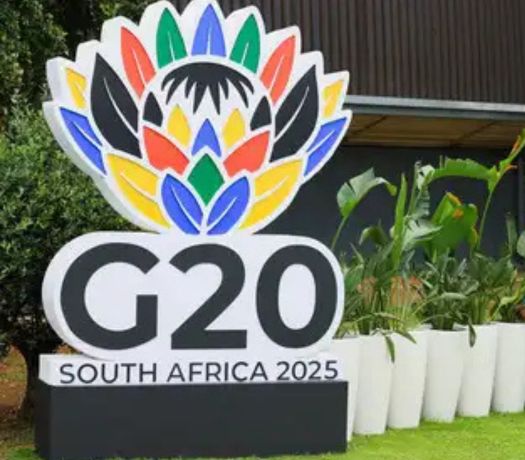
PM Modi’s G20 Conversations with Meloni: At the G20 Leaders’ Summit in Johannesburg, South Africa (November 22, 2025), Prime Minister Narendra Modi’s packed diplomatic schedule featured not just formal bilateral engagements but also a relaxed, human moment with Italian Prime Minister Giorgia Meloni. On the summit sidelines, the two leaders were seen sharing a laugh and exchanging warm greetings—an interaction that quickly drew attention for the easy rapport it showcased.

PM Modi G20 Conversations with Meloni
Source by Economic Times

A candid sidelines exchange that stood out

High-level summits tend to be dominated by serious negotiations, but brief informal interactions often reveal the tone of relationships between leaders. Modi and Meloni’s light-hearted moment—captured on camera—added a personable touch to the event and reinforced the sense of growing comfort between the two.

Beyond the smile: steady India–Italy engagement

The friendly exchange came alongside a bilateral meeting where India and Italy reviewed ways to deepen cooperation. Their talks at G20 platforms in recent years have focused on strengthening strategic ties across areas such as trade, technology, defence collaboration, and broader global challenges.
While the Johannesburg conversation was brief in public view, it fits into a wider pattern of consistent India–Italy engagement at major global forums, including G20 and G7 gatherings.

Why these “small moments” matter in diplomacy

Informal warmth between leaders often helps in three ways:

  1. Signals mutual ease and trust — easing the path for tougher policy discussions.
  2. Strengthens public perception of partnership — citizens and media see cooperation as natural rather than transactional.
  3. Builds continuity across summits — reinforcing that bilateral ties are active year-round, not only during crises.

Modi’s approachable style at multilateral events has frequently been described as a “people-first” or “rapport-driven” diplomacy mixing serious engagement with moments that humanize leadership.

Trending in Social Media PM Modi & PM Meloni in Johannesburg’s G20 Summit

Clips and photos of the smiling Modi–Meloni interaction spread rapidly online, with many users framing it as another “Melodi moment,” a popular social-media shorthand for their visible camaraderie. This kind of organic attention helps keep diplomatic partnerships in the public eye and reflects how modern summit optics travel far beyond closed-door rooms.

Key Points

  • PM Modi and Italian PM Giorgia Meloni shared a candid laugh on the sidelines of the G20 Summit in Johannesburg on Nov 22, 2025.
  • The light moment complemented formal India–Italy discussions held during the summit.
  • Their engagement continues a pattern of strong bilateral rapport seen at previous G20/G7 meetings.
  • Informal optics like these often reinforce trust, ease negotiations, and strengthen public narratives around partnerships.
  • The interaction went viral, highlighting Modi’s warm diplomatic style and the growing visibility of India–Italy ties.

Stay updated with the latest news on The TLC News / Reddit / Insta. Get all the trending News, India News, Business News, and Sports News. For Entertainment News, and Lifestyle Tips.

Source Disclaimer: This article is AI-generated based on publicly available reporting from TOI, The Economic Times, and DD News.

No Case Filed, Shoe Returned: Cops on Lawyer Who Tried to Attack Chief Justice Gavai in Supreme Court

Lawyer’s Attempted Attack on CJI: No Case Filed
HOCKING: A lawyer attempted to attack Chief Justice Gavai in the Supreme Court today.

In a stunning turn of events at the Supreme Court of India, a lawyer was detained after he attempted to hurl a shoe at Chief Justice B.R. Gavai. Despite the shocking breach of security and decorum, the Delhi Police did not register a case, and the advocate was released after questioning, with his shoe returned. The incident has ignited a national debate on the security of the judiciary and the growing climate of intolerance.

The 71-year-old lawyer, Rakesh Kishore, was reportedly agitated by the CJI’s recent remarks during a hearing regarding a plea for the restoration of a Lord Vishnu idol in the Khajuraho temple complex. Eyewitnesses reported that the lawyer, before being apprehended by security personnel, shouted slogans related to “Sanatan Dharma.”

Chief Justice Gavai, widely respected for his composure, remained unruffled by the attempted attack. He urged the lawyers present to continue with the proceedings, stating, “These things do not affect me.” The judiciary’s dignified response has been lauded across the legal community and on social media.

While no criminal case was filed due to the Supreme Court Registrar General’s decision not to press charges, the Bar Council of India has taken strict action, suspending the lawyer from practice. The incident serves as a stark reminder of the volatile intersection of law, religion, and public sentiment in the digital age.

The event, which trended across social media platforms with hashtags like #CJI and #SupremeCourt, has highlighted the importance of upholding judicial independence and the rule of law. It also brings into focus the powerful and often disproportionate reactions that can be fueled by online narratives and misinformation.

For more updates on legal matters, check out our India News section, or read about the latest tech breakthroughs in Technology.

More from The TLC News

For more news from India and beyond, check out our latest coverage:

Bihar Vidhan Sabha Elections 2025: Dates Fixed for Voting as State Readies Itself for a High Intensity Contest

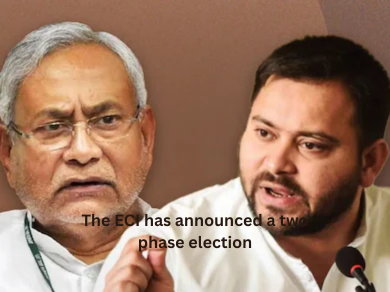
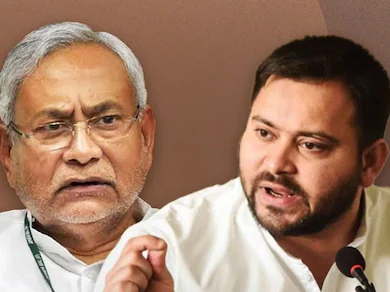
Portraits of Nitish Kumar, Tejashwi Yadav, and Prashant Kishor with the text "Bihar Battle 2025."
The battle for Bihar's Chief Minister's chair is a three-way contest.

The Election Commission of India has made the ground ready for a two-phase poll on November 6 and 11, with the political board witnessing a triangular contest between the NDA, the Mahagathbandhan, and Prashant Kishor’s new entrant.

PATNA Bihar’s political pot is officially about to boil over. The Election Commission of India (ECI) has announced the long-awaited schedule for the 2025 Bihar Assembly Elections, confirming that voting will be held in two phases, on November 6 and November 11. The vote count, which will seal the fate of Bihar’s 243-member assembly, is fixed for November 14, 2025.

Chief Election Commissioner (CEC) Gyanesh Kumar, while releasing the dates, called the Bihar polls the “mother of all elections” as he emphasized the huge nature of the exercise. The ECI has gone out of its way to make the election free and fair, including ensuring 100% webcasting at every polling station, mobilizing a huge force of Central Armed Police Forces (CAPF), and introducing home voting for voters older than 85 years.

The election fight is emerging as a dramatic and unpredictable race. At the centre of the political faceoff stands the incumbent National Democratic Alliance (NDA) coalition, of which is at the incumbent Chief Minister Nitish Kumar of JD(U) and its formidable partner, the BJP. The NDA is looking to hold on to power with the help of its “double-engine government” pitch and combination of experience and development assurances.

Threatening the incumbent coalition is the opposition Mahagathbandhan (Grand Alliance), led by Tejashwi Yadav’s RJD. The Mahagathbandhan, comprising the Congress and Left parties, is riding on an anti-incumbency wave and a high youth and social justice-oriented politics appeal. Tejashwi Yadav, according to recent opinion polls, is the top choice for Chief Minister among a large section of people, and this is an intense head-to-head fight between two of Bihar’s most dominant political leaders.

The X-Factor: A New Political Equation

A new force is changing the political equations in the state outside of the two big alliances. Political strategist-turned-politician Prashant Kishor, with his Jan Suraaj Party (JSP), has been one of the key players. His party is fielding candidates in all 243 seats, and initial opinion polls foresee a big boost in his popularity, making him a potential “third front.” His ground-level campaign and a concentration on developmental issues instead of conventional caste politics have struck a chord with a section of voters looking for change from the traditional political families. This three-way fight brings a degree of unpredictability to the elections.

The elections are not just a fight for power; they are a trending topic that will decide the future political direction of the state, known for its complex interplay of caste dynamics, history, and development. The ranking of key constituencies and the strategies of parties in these battlegrounds will be crucial to securing the 122 seats needed for a majority. The outcome will be a test of whether a new-age political discourse can challenge the long-standing dominance of traditional alliances. For more on the political trends shaping India, visit our ihttps://thetlcnews.com/technology/a News section.

Shubman Gill: The Dawn of a New Era in Indian ODI Cricket

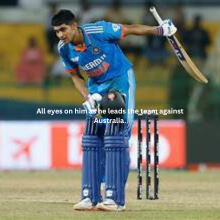
Shubman Gill, the new Indian ODI captain, stands on the cricket field.
The future is here: Shubman Gill is all set to lead Team India in ODIs.

In a bold move that clearly outlines a vision for the future, the Board of Control for Cricket in India (BCCI) is gearing up to name star opener and current ICC No. 1 ODI batsman, Shubman Gill, as the new captain of the Indian One-Day International team. This shift marks a generational change, with Gill set to lead the squad in the much-anticipated three-match series against a strong Australian team. The selection committee’s decision aims to nurture this young talent for the 2027 ODI World Cup, laying the groundwork for a revamped Team India

This appointment signals the end of Rohit Sharma’s successful run as ODI captain, during which he guided India to a Champions Trophy title and the final of the 2023 World Cup. As the captaincy transitions, both Rohit and former captain Virat Kohli are expected to join the squad as specialist batters, making their return to the ODI format. This mix of experienced veterans and fresh talent is anticipated to bring both stability and a wealth of experience to the team.

Shubman Gill, boasting an impressive career average of over 59 and eight centuries in just 55 matches, is a top-tier player and an ideal choice for the leadership role. His recent performances have solidified his status as one of the most thrilling talents in world cricket, and this new responsibility reflects his consistent scoring and strategic insight. The upcoming ODI series against Australia, kicking off on October 19 in Perth, will be his first major challenge as the full-time ODI skipper, serving as a vital test of his leadership on foreign soil. Cricket enthusiasts and experts are eagerly watching how this transition plays out, with a keen eye on building a squad that can dominate the game for years to come.

A Bold Leadership Pivot

This isn’t just a swap of armbands. It’s a generational handover:

  • Rohit Sharma the incumbent ODI skipper who led India to the Champions Trophy title and the 2023 World Cup final is set to relinquish the reins, though he and Virat Kohli are expected to remain in the squad as specialist batters.
  • With Gill in charge, India looks to weave together youth and experience, balancing the whip-smart exuberance of the new guard with the calm wisdom of legends.
  • The selectors reportedly spoke directly to Gill in advance of finalising the move, framing it as part of the roadmap to the 2027 ODI World Cup in South Africa, Zimbabwe, and Namibia.

The ODI series in Australia, which begins on October 19 in Perth, will serve as his first crucible as full-time leader on foreign soil — a tall order from day one.

Stats & Substance Behind the Choice

Gill’s credentials speak volumes:

  • In just 55 ODIs, he’s already racked up eight centuries and averages above 59.
  • His leadership chops are being tested already, he’s the current Test captain, having been entrusted with India’s long-form journey.
  • Across formats, observers see him as a fusion of the calm, situational cool of Rohit and the firebrand intensity of Kohli, a “best of both worlds” captain for a team transitioning to the next generation.

Still, a captaincy is more than stats and analogy. The upcoming matches will test Gill’s temperament, man management, and decision-making in pressure zones, especially against a worldclass Australia lineup.

ND vs WI Highlights, 1st Test Day 2: Jurel, Jadeja Centuries Power India to Dominant 286 Run Lead

Dhruv Jurel and Ravindra Jadeja walking off the field after a successful day of batting for India
Dhruv Jurel and Ravindra Jadeja walking off the field after a successful day of batting for India.

AHMEDABAD, India’s middle-order put on a batting clinic, featuring two stunning centuries, which has left them in a strong position at the end of Day 2 of the first Test against the West Indies at the Narendra Modi Stadium. Young wicketkeeper-batter Dhruv Jurel shone with his maiden Test hundred (125), while the inform all rounder Ravindra Jadeja remained unbeaten on 104, helping India close the day at 448/5 and extending their lead to a hefty 286 runs.

The day kicked off on a high note as KL Rahul, who stepped back from white-ball cricket earlier this year, turned his overnight fifty into his 11th Test century, his first on home turf since 2016. His return to form is certainly making waves in Indian cricket circles, and it’s a much-needed boost for the seasoned batter. He formed a vital 98-run partnership with Shubman Gill (50), who also played well to secure a solid half-century.

But the real highlight was the fifth-wicket partnership between Jurel and Jadeja. After losing a couple of quick wickets, the pair showed both determination and flair. In just his second Test, Dhruv Jurel kept his cool, capitalizing on loose deliveries and celebrating his maiden Test hundred with a powerful drive. His innings, a clear sign of his potential as one of India’s brightest young stars, was marked by a touching salute to his father, a war veteran

Meanwhile, Ravindra Jadeja continued his impressive form with the bat, notching up his sixth Test century. The Saurashtra allrounder, famous for his signature “sword” celebration, took the attack to the bowlers, especially the spinners, ensuring the scoring rate stayed high. Their record-breaking 206 run partnership effectively took the game away from a struggling West Indies side, which could only manage to take three wickets throughout the day.

🏏 Player Performance Table (India vs West Indies, Day 2)

PlayerRuns / Not OutBalls4s6sNotes
Dhruv Jurel125210153Maiden Test century; later dismissed by Khary Pierre
Ravindra Jadeja104*~17665Not out at stumps, part of big 206-run stand with Jurela
KL Rahul100~197Led India’s charge with a century earlier in the innings
Shubman Gill50Not out at stumps, part of a big 206-run stand with Jurela

Digital Shield: New UPI Rules End ‘Collect Requests’ to Curb Fraud

displaying a secure UPI transaction with a digital shield icon.
India's new UPI rules prioritize security and user protection.

NEW DELHI, In a significant move to strengthen the security of India’s growing digital payments system, the National Payments Corporation of India (NPCI) has announced that all peer-to-peer (P2P) “Collect Requests” will be discontinued, effective October 1, 2025. This action affects major payment platforms like Google Pay, PhonePe, and Paytm, and responds to the increase in online financial fraud that has impacted the Unified Payments Interface (UPI) system.

For millions of users across the country, this change represents a decisive shift from a system that allowed users to “pull” funds from others to one that relies only on “push” transactions. A “collect request,” also known as a pull transaction, allowed someone to ask another user for money. If the recipient accepted the request by entering their UPI PIN, the money would move from their account to the requester’s. Although designed for convenience, this feature was often misused by fraudsters who sent fake requests to unsuspecting people, frequently pretending to be refunds or payments for goods.

The NPCI had previously tried to reduce this risk by capping the amount for a collect request at ₹2,000. However, as fraudsters became more skilled, the misuse continued. This complete discontinuation for P2P transactions is a more definitive step. By removing this high-risk option, the NPCI aims to offer a more secure and reliable platform for its over 40 crore unique users.

Impact on Users and the Future of Digital Payments

The new rule will require users to make a slight adjustment at first, but it overall benefits security. It reinforces a key principle of financial transactions: the payer must have full control over starting a payment. From now on, users must start all P2P transactions by scanning a QR code, entering a UPI ID, or using a contact’s phone number. This straightforward change should significantly reduce the most common type of UPI fraud

While the “collect request” feature for person-to-person payments will be removed, it will still be available for verified merchants. This is an important distinction, as it allows users to continue making secure payments to businesses and e-commerce platforms like Amazon, Swiggy, and Flipkart, which often use this feature to collect payments upon order confirmation.

This trending move by the NPCI aligns with India’s broader vision of creating a robust and secure digital economy. It is a testament to the nation’s commitment to protecting its citizens’ financial well-being and maintaining the trust that is the bedrock of the digital payments system. As India’s digital economy continues its rapid expansion, so too does the need for vigilant security measures. For a deeper look into the world of digital finance, you can read more in our Technology section. This policy change puts India in a leading ranking position globally for proactive cybersecurity measures.

Navigating the Change: What to Do

Users are advised to update their UPI apps and remain vigilant. The key takeaway is simple: never enter your UPI PIN unless you have personally initiated a transaction. This new rule essentially removes the “middleman” of a request, making all transactions “push” and therefore requiring the user’s explicit intent. This is a crucial step towards building a safer and more transparent digital ecosystem, ensuring that every transaction is initiated with the full knowledge and consent of the sender.

For more updates on financial regulations and their impact on daily life, visit our Latest News section.

RBI Holds Steady: Repo Rate Unchanged, Growth & Inflation Forecasts Revised

A stack of Indian rupee notes with the text 'RBI Monetary Policy: Growth Ahead'.
India's central bank, the RBI, revises its economic outlook amidst stable policy.

The Reserve Bank of India (RBI) has kept its key lending rate, the repo rate, steady at 5.50%. This decision reflects a neutral policy stance in light of a balanced economic outlook. The central bank aims to support economic momentum while ensuring price stability. This choice comes as the Indian economy shows resilience, backed by strong domestic demand and better financial conditions

A major point of the policy announcement is the RBI’s upward revision of India’s GDP growth forecast for the fiscal year (FY) 2025-26 to a solid 6.8%. This positive growth projection is a key sign of the nation’s economic health and shows confidence in the ongoing recovery. At the same time, the RBI has lowered its inflation forecast to a manageable 2.6%, indicating that price pressures are under control and within the central bank’s comfort zone.

This decision by the Monetary Policy Committee (MPC) aims to navigate global uncertainties while taking advantage of domestic strengths. By keeping the rate unchanged, the RBI is allowing previous policy actions to work fully, giving stability to the financial markets. The outlook for higher growth and stable inflation is promising for India’s economic future, boosting investor confidence and reinforcing the nation’s status as a fast-growing economy.

For the latest updates, including this news and stories across various fields, you can visit our Latest News section. For a change of pace, you might also find our coverage of major tournaments and athlete spotlights in the Sports section of interest. The intersection of finance and new innovations is a key focus, and you can explore more on our Technology page.

The video titled “RBI MPC Meet LIVE | Will RBI Cut Rates?” discusses the RBI’s monetary policy meeting and the decision on the repo rate.

Asia Cup 2025 Final: Tilak Varma’s Heroics Secure India’s Ninth Title in Dubai Thriller

Indian cricket team players celebrating their Asia Cup victory over Pakistan in front of a cheering crowd at the Dubai International Stadium.
Jubilant scenes as Team India celebrates their Asia Cup triumph over Pakistan.

Dubai, UAE. In a thrilling match that showcased the legendary rivalry, India won their ninth Asia Cup title by beating arch-rivals Pakistan by five wickets at the Dubai International Cricket Stadium. The dramatic final, held on Sunday, featured an impressive performance from India’s young players, led by the steady Tilak Varma, whose unbeaten 69 helped the team navigate a tough chase.

The final was a display of changing momentum, a rollercoaster of emotions that kept cricket fans anxious. Pakistan batted first after winning the toss and seemed to be in control. The opening pair of Sahibzada Farhan (57) and Fakhar Zaman (46) set a strong foundation, taking Pakistan to 84 without loss. With a strong start, they looked ready to post a formidable total of well over 180.

However, everything changed dramatically with the introduction of India’s spin trio. Kuldeep Yadav, the game’s top-ranked spinner, ignited a sensational collapse, ending with an impressive figure of 4 for 30. With backing from Axar Patel and Varun Chakaravarthy, the Indian spinners destroyed the opposition’s middle order, leading Pakistan to lose their last nine wickets for just 33 runs. From a solid 113 for 1, they were shockingly bowled out for 146 in 19.1 overs. Jasprit Bumrah finished off the tail, taking two important wickets.

India’s chase began on shaky ground. Shaheen Shah Afridi and Faheem Ashraf took advantage of the early conditions, leaving India in a tough spot at 20 for 3 during the powerplay. The pressure was high as key players like Suryakumar Yadav and Shubman Gill were dismissed quickly. In this tense moment, Tilak Varma stepped up. Showing great composure, he formed a vital 57-run partnership with Sanju Samson (24) to stabilize the innings.

As the match reached its final overs, the tension grew. With 10 runs needed off the last seven balls, Varma teamed up with Shivam Dube (33) to bring the chase within reach. Although Dube was out in the second to last over, Varma stayed focused. He hit a massive six off Haris Rauf in the final over, swinging the game decisively in India’s favor. Rinku Singh fittingly sealed the victory with a boundary off the only ball he faced.

This victory not only marks India’s ninth Asia Cup title but also highlights their resilience and strength. The win showcases the team’s ability to perform under pressure, with young talents like Varma rising to the occasion on such a significant stage.

For more breaking news on cricket and other sports, visit the TLC News’ Sports section. Stay current with all the latest headlines in the world of cricket.

For more information on India’s economic policies, including the government’s focus on MSMEs, you can read our detailed analysis in the India News
section. The strategic role of technology in modernizing the financial sector is also a topic we cover in depth; for more insights, check out our Technology page.

Scorecard

Source:[28]1st innings

 Pakistan batting
PlayerStatusRunsBalls4s6sStrike rate
Sahibzada Farhanc Tilak b Varun573853150.00
Fakhar Zamanc Yadav b Varun463522131.42
Saim Ayubc Bumrah b Yadav141120127.27
Mohammad Harisc Rinku b Patel02000.00
Salman Ali Aghac †Samson b Yadav8700114.28
Hussain Talatc †Samson b Patel120050.00
Mohammad Nawazc Rinku b Bumrah690066.66
Shaheen Afridilbw b Yadav03000.00
Faheem Ashrafc Tilak b Yadav02000.00
Haris Raufb Bumrah6410150.00
Abrar Ahmednot out120050.00
Extras(b 1, lb 2, w 4)7
Total(10 wickets; 19.1 overs)146105RR: 7.61

Fall of wickets: 1/84 (Farhan, 9.4 ov), 2/113 (Ayub, 12.5 ov), 3/114 (Haris, 13.3 ov), 4/126 (Zaman, 14.4 ov), 5/131 (Talat, 15.3 ov), 6/133 (Salman, 16.1 ov), 7/134 (Afridi, 16.4 ov), 8/134 (Ashraf, 16.6 ov), 9/141 (Rauf, 17.5 ov), 10/146 (Nawaz, 19.1 ov)

 India bowling
BowlerOversMaidensRunsWicketsEconWidesNBs
Shivam Dube302307.6600
Jasprit Bumrah3.102527.8900
Varun Chakravarthy403027.5000
Axar Patel402626.5000
Kuldeep Yadav403047.5040
Tilak Varma10909.0000

2nd innings

 India batting
PlayerStatusRunsBalls4s6sStrike rate
Abhishek Sharmac Rauf b Ashraf561083.33
Shubman Gillc Rauf b Ashraf121010120.00
Suryakumar Yadavc Salman b Afridi150020.00
Tilak Varmanot out695334130.18
Sanju Samsonc Farhan b Abrar242121114.28
Shivam Dubec Afridi b Ashraf332222150.00
Rinku Singhnot out4110400.00
Axar Patel
Kuldeep Yadav
Varun Chakravarthy
Jasprit Bumrah
Extras(w 2)2
Total(5 wickets; 19.4 overs)150107RR: 7.62

Fall of wickets: 1/7 (Abhishek, 1.1 ov), 2/10 (Suryakumar, 2.3 ov), 3/20 (Gill, 3.6 ov), 4/77 (Samson, 12.2 ov), 5/137 (Dube, 18.6 ov)

 Pakistan bowling
BowlerOversMaidensRunsWicketsEconWidesNBs
Shaheen Afridi402015.0000
Faheem Ashraf402937.2500
Mohammad Nawaz10606.0000
Haris Rauf3.4050013.6310
Abrar Ahmed402917.2510
Saim Ayub301605.3300

Himalayan Treasure Joins Global Network: India’s Cold Desert Biosphere Reserve Gets UNESCO Tag

A wide panoramic shot of the stark, snow-dusted mountains and cold desert landscape of the Spiti Valley in Himachal Pradesh.
Cold Desert Biosphere Reserve

In a significant milestone for India’s conservation efforts, the Cold Desert Biosphere Reserve in Himachal Pradesh has officially joined UNESCO’s World Network of Biosphere Reserves. This recognition, announced during the 37th session of the Man and the Biosphere (MAB) Programme’s International Coordinating Council from September 26 to 28, 2025, in Hangzhou, China, highlights one of the world’s most unique and fragile ecosystems. This designation marks India’s 13th site on this distinguished list, reinforcing the country’s commitment to balancing ecological preservation with sustainable development.

A Jewel in the Trans-Himalayas

Covering an area of 7,770 square kilometers, the Cold Desert Biosphere Reserve features a stunning mix of windswept plateaus, rugged mountains, deep gorges, and glacial valleys. Located in the remote Lahaul-Spiti district, it serves as a living laboratory of survival, with altitudes ranging from 3,300 to 6,600 meters. The reserve includes several important protected areas, such as Pin Valley National Park, Kibber Wildlife Sanctuary, the peaceful Chandratal Wetland, and the high-altitude Sarchu plains. This diverse landscape is home to species that have skillfully adapted to the extreme cold and dry climate, making it one of the coldest and driest ecosystems in the World Network of Biosphere Reserves.

A Haven for Rare Wildlife and Flora

The UNESCO recognition is especially important for conserving the reserve’s biodiversity. This region is a stronghold for the iconic snow leopard, its flagship species, which thrives here due to a strong prey base of more than 800 blue sheep. Other notable residents include the elusive Himalayan ibex, the Himalayan wolf, the red fox, and a wide variety of birds, including over 100 species such as the golden eagle and bearded vulture.

The unique plant life of the cold desert is equally fascinating. Despite the harsh conditions, the area is home to an impressive 655 species of herbs, 41 shrubs, and 17 tree species. Among them are 14 endemic plants and 47 medicinal varieties, many of which play an important role in the traditional Sowa Rigpa/Amchi system of Tibetan medicine. This recognition will likely enhance scientific research and provide a vital platform for international collaboration in studying and protecting this precious heritage.

Community-Led Conservation

Beyond its ecological wealth, the Cold Desert Biosphere Reserve is notable for its strong model of community-led conservation. About 12,000 people live in scattered villages within the reserve’s transition zone, engaging in traditional livelihoods such as pastoralism, yak and goat herding, and farming. Their ancestral knowledge, preserved through Buddhist monastic traditions and community councils, is crucial in managing the fragile alpine resources. This harmonious relationship between local communities and nature is fundamental to the biosphere reserve model and played a key role in its UNESCO recognition.

Global Recognition, Local Impact

Union Environment Minister Bhupender Yadav praised the inclusion as a sign of India’s commitment to biodiversity conservation. Similarly, Himachal Pradesh Chief Minister Sukhvinder Singh Sukhu noted that this recognition will draw responsible eco-tourism and enhance climate resilience efforts.

The designation goes beyond being a mere title; it acts as a catalyst for improving global research partnerships, establishing sustainable livelihood initiatives for the local community, and highlighting the urgent need to protect delicate mountain ecosystems from the growing pressures of tourism and climate change. It firmly places the Spiti Valley and its unique cold desert on the global conservation map, ensuring its survival for future generations.